Decoded Scroll Research
Decoding ancient scrolls to illuminate contested religious narratives, esoteric practices, and the dawn of humanity under the sky.
Decoded Scroll Research approaches religious history as a method, not a destination. This article presents a Q&A that names the questions we test, the disciplines we bring together, and the kind of dialogue we aim to foster. It is a map of inquiry that stays true to careful sourcing and open interpretation.
Q&A Overview and YouTube Video Area
YouTube Video Area: Decoded Scroll Research — Opening Analysis. This space hosts an introductory video that outlines guiding questions, methods, and examples of decoded scroll analysis, inviting viewers to enter a disciplined dialogue about contested narratives.
Workflow and Methods
We begin with a well-framed question, gather robust primary sources, and map connections across textual criticism, symbolism, cosmology, and historical context. We synthesize findings with transparent citations, invite critique from independent scholars, and refine accordingly. We publish in accessible formats and maintain post-publication dialogue to keep the inquiry alive.
Selected Projects
The Templar Sky-Map Manuscripts
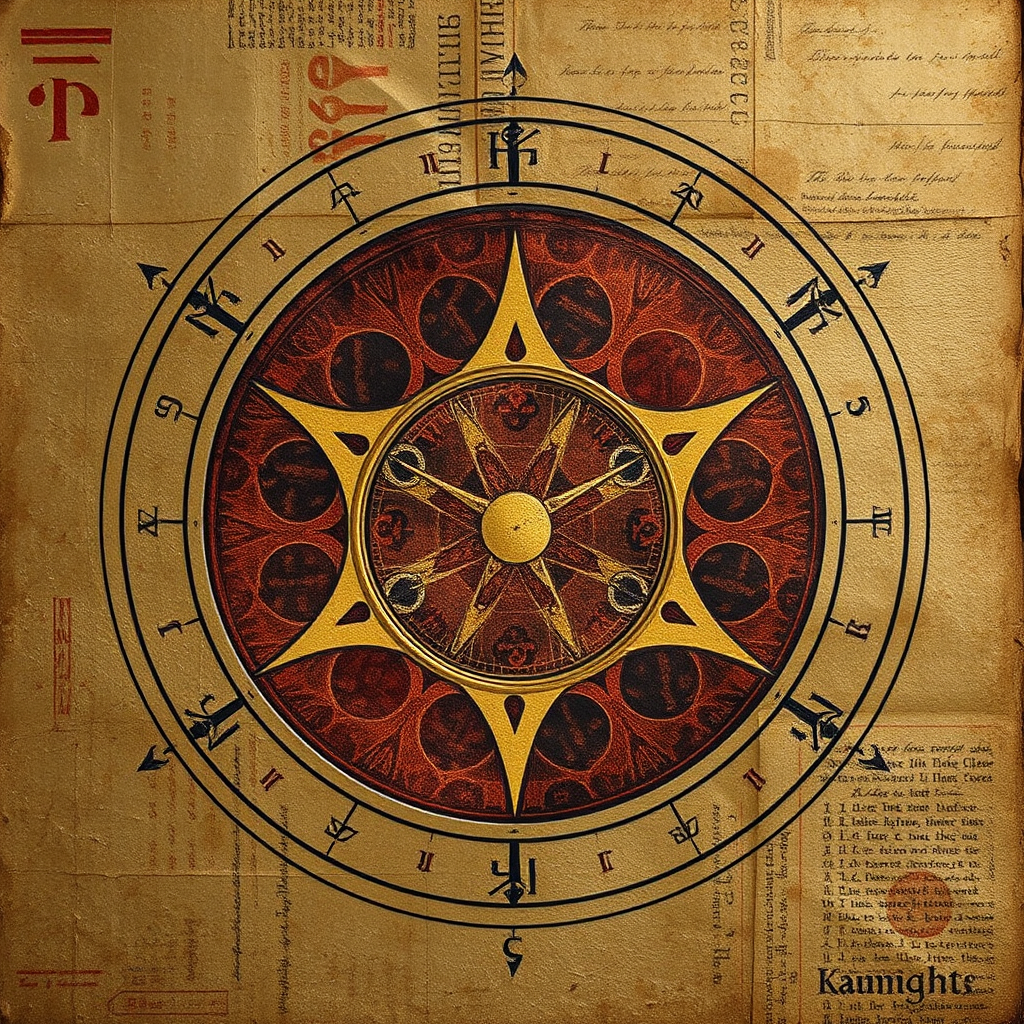
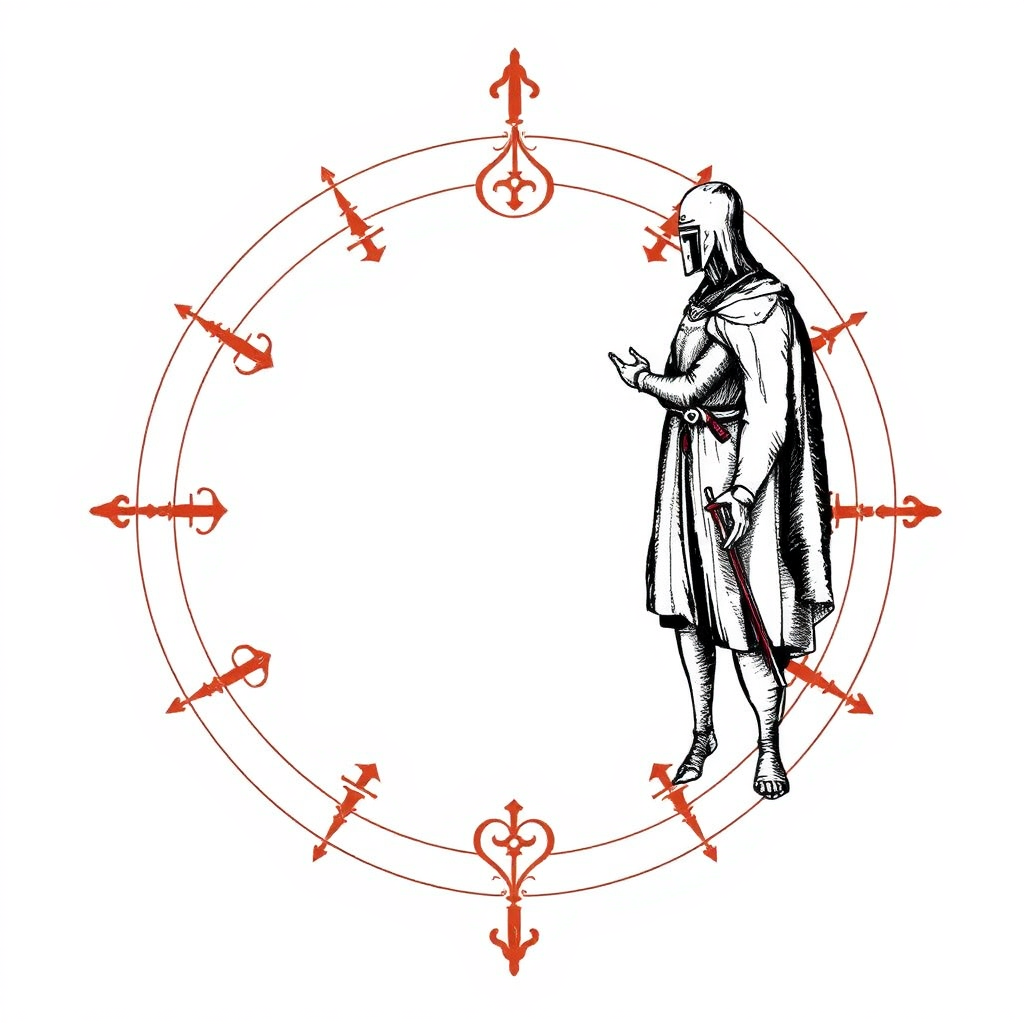
This project disentangles myth from measurable astronomy by examining symbolic maps and calendrical grids attributed to late medieval orders. It seeks a disciplined distinction between narrative purpose and empirical observation, clarifying what such maps can teach about historical contexts.
Genesis under the Stars
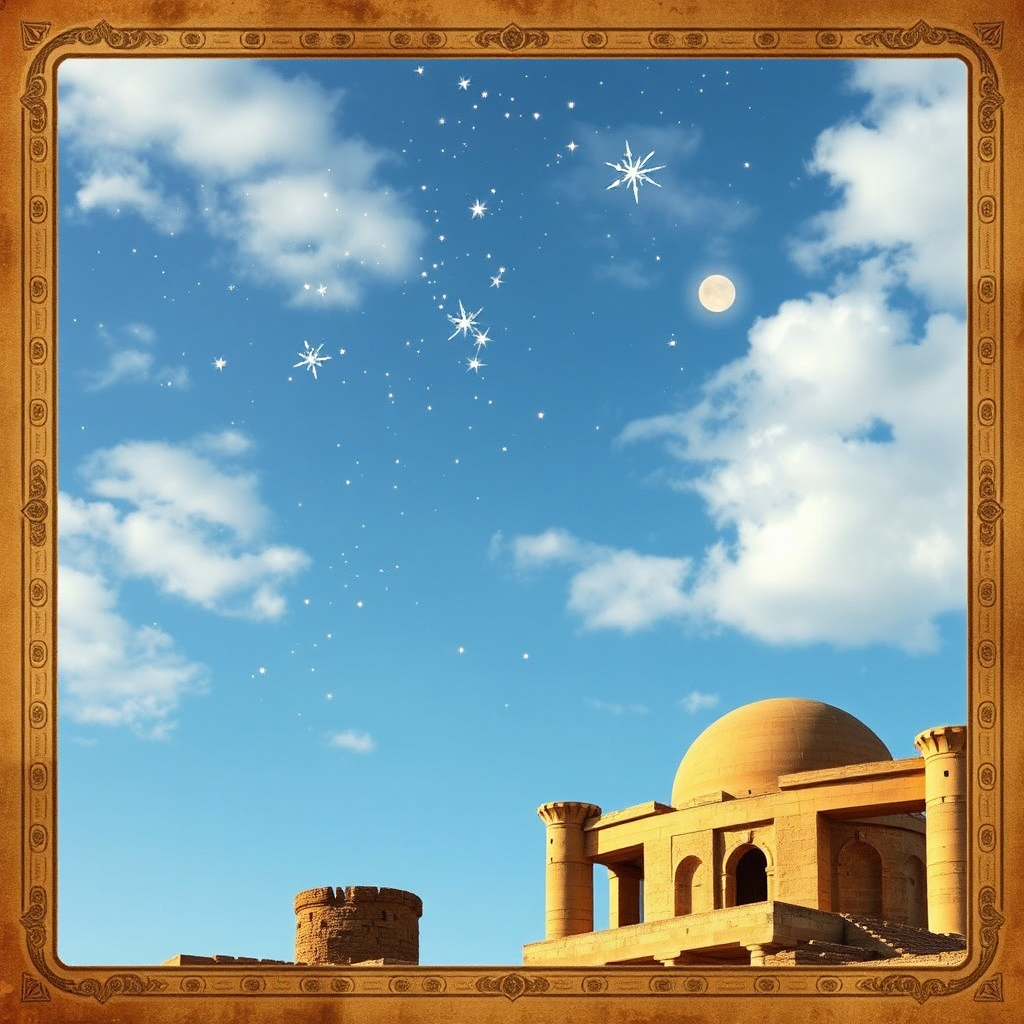
Reframing creation narratives through calendrical and celestial observation, this work explores how cosmology and language encode cycles of time and beginnings, and how communities oriented their sacred stories toward the heavens.
The Quiet Scrolls of Secrecy
Tracing esoteric currents in early Christian texts, this study examines how symbolism, ritual practice, and polemic shaped early religious communities and their ongoing influence on interpretive traditions.
Engagement and Access
We offer pathways for ongoing engagement: scholarly exercises, source sheets, and opportunities for briefings or consultations. The starter materials are designed to invite disciplined inquiry and collaborative critique, keeping the conversation open and anchored in evidence rather than rhetoric.
Q: What is a concise and compelling statement that captures the essence of your business?
A: Decoded Scroll Research decodes ancient scrolls to illuminate contested religious narratives, esoteric practices, and the dawn of humanity under the sky.
Q: What is a concise and compelling statement that captures the essence of your business?
A: Decoded Scroll Research decodes ancient scrolls to illuminate contested religious narratives, esoteric practices, and the dawn of humanity under the sky.

Q: What is a concise and compelling statement that captures the essence of your business?
A: Decoded Scroll Research decodes ancient scrolls to illuminate contested religious narratives, esoteric practices, and the dawn of humanity under the sky.
Q: How did your journey begin?
A: Our project began in a quiet archive and a fevered mind. A researcher’s curiosity about conflicting versions of early religious history led us to discover overlaps between Knights Templar lore, celestial symbolism, and ancient cosmologies. Rather than choosing a side, we embraced a rigorous method: test claims against primary sources, apply cross-disciplinary theories, and maintain transparent reasoning. What began as a personal search for hidden threads grew into a platform where scholars, students, and curious readers could follow the same path—from ambiguity to reasoned interpretation.

Q: What are your core values, philosophy, or approach toward your work?
A: We pursue truth through critical inquiry, humility before the data, and respect for contested interpretations. Our philosophy rests on rigorous sourcing, clear distinction between hypothesis and evidence, and an invitation to dialogue with other scholars rather than pronouncing conclusions. We value openness, reproducibility of argument, and the delicate balance between skepticism and wonder when engaging with ancient texts and their symbols.
Q: In what ways are you unique compared to your competition?
A: Our uniqueness lies in the cross-pollination of disciplines—religious history, esoteric studies, astronomy, and symbolology—paired with transparent, annotated work that invites peer critique. We foreground decoded scrolls and longstanding lore as data points rather than dogma, presenting a living dialogue that maps symbolic language to historical context. We also foreground Knights Templar lore not as myth alone but as a node in a wider cosmological conversation, bridging textual critique with patterns in star lore and ancient calendars.
Q: Please list the main services you offer or products you provide.
A: We offer in-depth scholarly analyses and essays that reinterpret canonical and marginal texts; annotated bibliographies and source sheets; visual mappings of symbols to astronomical cycles; research notes and discussion papers; public lectures and seminars; and bespoke research consultations for individuals, schools, and institutions. Each product emphasizes evidence, context, and clear attribution, inviting readers into a disciplined, ongoing conversation rather than a fixed conclusion.
Q: Can you provide a breakdown of the essential steps in your workflow?
A: Our workflow follows a methodical arc: (1) scope and question framing; (2) primary-source gathering and verification; (3) cross-disciplinary mapping (textual criticism, symbolism, cosmology, history); (4) synthesis into a coherent narrative with transparent citations; (5) external peer review or critique by independent scholars; (6) iterative refinement; (7) publication in accessible formats with media variants (essay, annotated PDF, talk, video script); (8) post-publication dialogue and updates.

Q: What are your primary skills or areas of expertise?
A: Core competencies include religious history research, esoteric studies, textual criticism, Knights Templar lore, ancient cosmology, symbolism and iconography, historical context analysis, interdisciplinary synthesis, scholarly writing, and data visualization of complex narratives.
Q: Please list your portfolio or completed projects (minimum 3) with title and story behind each item.
A: 1) The Templar Sky-Map Manuscripts: Symbolic maps and celestial grids attributed to late medieval orders were examined for astronomical alignment, calendrical significance, and narrative purposes within liturgical and military contexts. The goal was to distinguish mythic storytelling from observable references, offering a disciplined framework for evaluation.
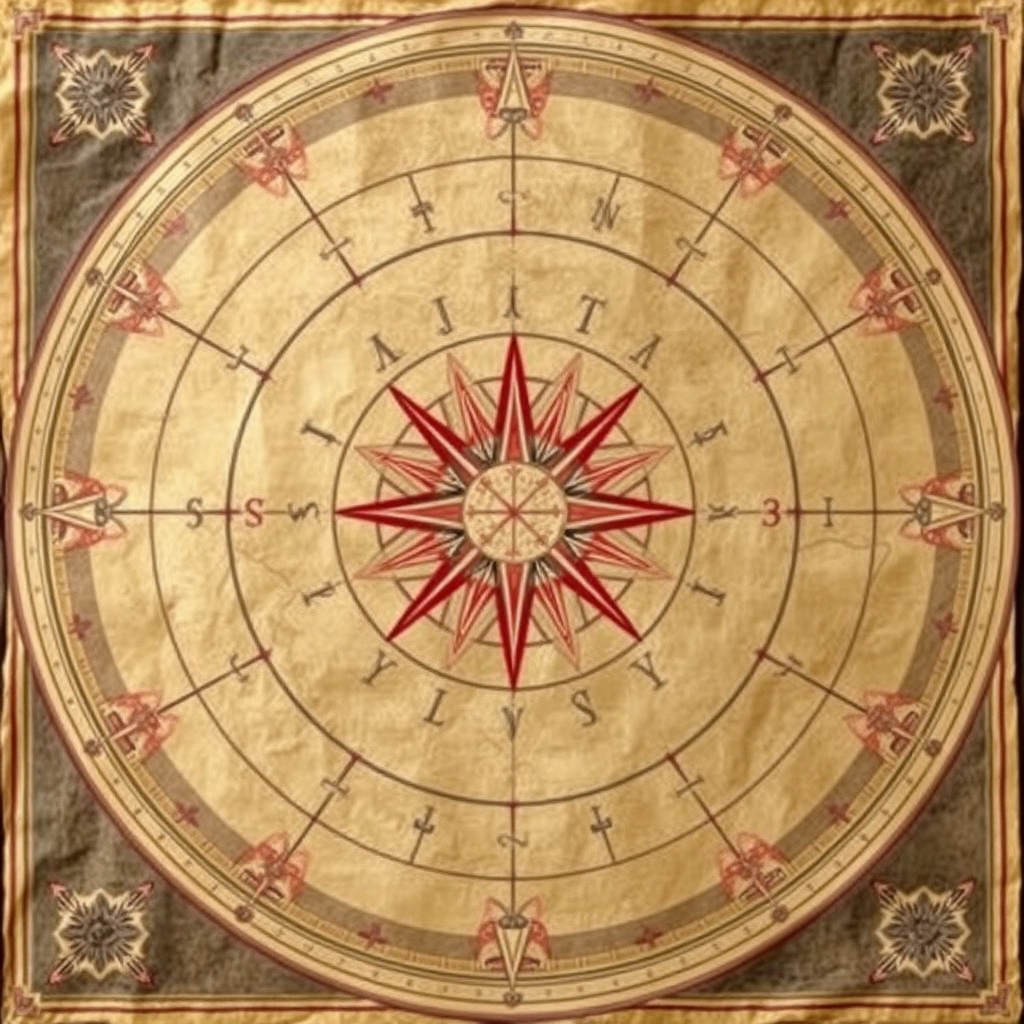
2) Genesis under the Stars: Cosmic Calendars and Early Cosmologies: Revisited creation narratives through the lens of ancient cosmology and astronomical cycles, exploring how language encodes celestial observation and how communities reframed time and beginnings through the heavens.
3) The Quiet Scrolls of Secrecy: Esoteric Currents in Early Christian Texts: An investigation into lesser-known interpretive strands in apocryphal and sectarian writings, tracing how symbolism, ritual practice, and polemic shaped early religious communities and their enduring legacies.
Q: What are your primary skills or areas of expertise?
A: Core competencies include religious history research, esoteric studies, textual criticism, Knights Templar lore, ancient cosmology, symbolism and iconography, historical context analysis, interdisciplinary synthesis, scholarly writing, and data visualization of complex narratives.
Q: What are your primary skills or areas of expertise?
A: Core competencies include religious history research, esoteric studies, textual criticism, Knights Templar lore, ancient cosmology, symbolism and iconography, historical context analysis, interdisciplinary synthesis, scholarly writing, and data visualization of complex narratives.

Q: What incentive or value can you offer to encourage visitors to take action?
A: A starter package of value: a complimentary sample decoded scroll analysis, a preview of an annotated bibliography, and monthly digest access that highlights new interpretations, cross-disciplinary connections, and discussions. This invites readers into the discipline without obligation while demonstrating the depth of our method and the clarity of our sourcing.
Philosophical Foundations
Decoded Scroll Research treats religious history as a field of inquiry rather than a collection of fixed dogmas. We pursue meanings that emerge at the intersection of text, symbol, and observation. The method rests on careful interpretation guided by primary sources, cross-disciplinary resonance, and an openness to multiple plausible readings. Our aim is to make visible the governing lines that connect data points, not to declare a single truth but to illuminate how communities have read the sky through scrolls and ritual over time.
Workflow and Methods
We begin with a well-framed question, gather robust primary sources, and map connections across textual criticism, symbolism, cosmology, and historical context. We synthesize findings with transparent citations, invite critique from independent scholars, and refine accordingly. We publish in accessible formats and maintain post-publication dialogue to keep the inquiry alive.
Philosophical Foundations Decoded Scroll Research treats religious history as a field of inquiry rather than a collection of fixed dogmas. We pursue meanings that emerge at the intersection of text, symbol, and observation. The method rests on careful interpretation guided by primary sources, cross-disciplinary resonance, and an openness to multiple plausible readings. Our aim is to make visible the governing lines that connect data points, not to declare a single truth but to illuminate how communities have read the sky through scrolls and ritual over time.
Core Features
Q&A Overview and YouTube Area: Q: What is the heart of Decoded Scroll Research? A: I decode ancient scrolls to illuminate contested religious narratives, esoteric practices, and the dawn of humanity under the sky. Q: How is this work conducted? A: I pursue rigorous sourcing, cross-disciplinary analysis, and transparent reasoning, inviting critique rather than dogma. You will find an embedded introductory video here that outlines guiding questions, methods, and examples of decoded scroll analysis. [YouTube video area placeholder: Decoded Scroll Research — Opening Analysis]


Primary-source grounded interpretation
I frame questions, gather and verify primary texts, and distinguish between hypothesis and evidence, presenting claims with clear citations and context.
Symbolism and cosmology mapping
I connect symbolic language to astronomical cycles to reveal how communities encoded time and the sky in texts and artifacts. This mapping brings into focus the relationship between ritual, interpretation, and observed skies.
Annotated sources and transparent methods
I provide annotated bibliographies and source sheets that guide readers through the data, enabling reproducibility and critique of the argument.
Dialogic publication and tailored guidance
I publish analyses in accessible formats and invite public critique, lectures, seminars, and bespoke research consultations for educators, students, and institutions.
Process: A disciplined, cross-disciplinary inquiry
I approach analysis as a disciplined practice rather than a destination. Every claim is tested against primary sources, cross-disciplinary theories, and transparent reasoning. The process is iterative and dialogic, inviting critique and revision as new evidence appears. The goal is to illuminate contested narratives through careful context, interpretation, and visible sourcing.
04
Simple Steps
1. Scope and Question Framing
I begin by naming a precise question and setting clear boundaries for what counts as evidence, ensuring the inquiry stays anchored to texts, contexts, and method.
2. Primary-Source Gathering and Verification
I collect manuscripts, inscriptions, translations, and contextual materials from trusted archives; I verify provenance and dating and separate observable facts from interpretive readings.
3. Cross-Disciplinary Mapping
I map relationships across textual criticism, symbolism, cosmology, and historical context, seeking coherent connections rather than discipline-specific echoes, and I state assumptions openly to test them across perspectives.
4. Synthesis, Peer Review, Publication, and Dialogue
I craft a transparent narrative with clear citations and visual mappings, invite external critique from independent scholars, and pursue iterative refinement. After revision, I publish in accessible formats (essays, annotated PDFs, talks, and video scripts) and maintain ongoing dialogue through post-publication updates and public discussion.
Decoded Scroll Research — FAQ
What is Decoded Scroll Research?
I decode ancient scrolls to illuminate contested religious narratives, esoteric practices, and the dawn of humanity under the sky.
How did this work begin?
My journey began in a quiet archive and a fevered mind. Curious about conflicting versions of early religious history, I found overlaps between Knights Templar lore, celestial symbolism, and ancient cosmologies. Rather than take a side, I adopted a rigorous method: test claims against primary sources, cross-disciplinary theories, and transparent reasoning.
What guides your work?
I pursue truth through critical inquiry, humility before the data, and respect for contested interpretations. My philosophy rests on rigorous sourcing, clear distinctions between hypothesis and evidence, and inviting dialogue with other scholars rather than preaching conclusions. I value openness, reproducibility of argument, and the balance between skepticism and wonder when engaging with ancient texts and their symbols.